Friday, July 22, 2011

How Close Do You Hold Your Smart Phone?

The explosion of smart phone sales are resulting in many visual complaints.  Reading texts and Internet pages with the phone is often done at much closer distances than reading a book.  The implication is more eye strain, fatigue and headache if this activity is done for longer periods of time.

A recent study published in the American Academy of Optometry indicated lens prescriptions will need to be altered for these problems.  Problems can result because of close reading distances and font sizes associated with the smart phone.

Study Findings
The average font size with a smart phone was comparable to that of newspaper print with text messages.  However Internet page fonts were smaller.  The average reading distance (working distance) with text messages was 36 centimeters and 32 centimeters with Internet page viewing.  This compares to an average of 40 centimeters with book reading.  The difference can result in eyestrain and headaches, especially for those over age 40.

Implications
It is important to let me know if you are having eye strain or headache with smart phone viewing.  If so, I can prescribe lenses which optimize your sight at the distance commonly viewed.  This prescription can be a big help for these types of problems.

--James B. Mayer, O.D., F.C.O.V.D.
     Agape Learning & Optometry Center
     Thousand Oaks, CA

Monday, July 18, 2011

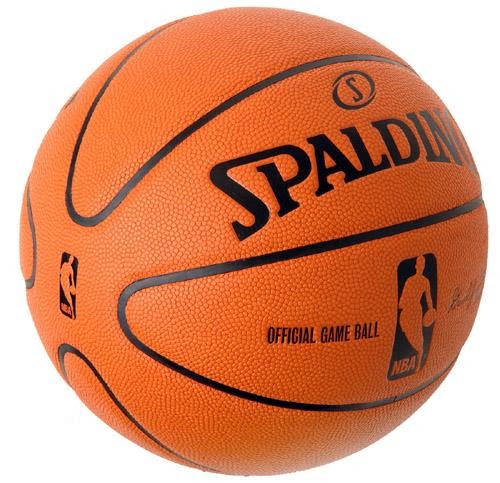
Great activity for Sports Vision Therapy

There are a number of important visual skills for success in basketball.  I have reviewed many of them in past blogs.  As I was surfing the web today I came across this article which describes a wonderful activity for the development of:
  1. Peripheral vision awareness
  2. Eye hand coordination
  3. Visual timing
  4. Visual tracking
Check out this link to read about the description of this activity.

--James B. Mayer, OD, FCOVD
    Agape Learning & Optometry Center
    Thousand Oaks, CA
Wednesday, July 13, 2011

Evaporative Dry Eye & LipiFlow

Scratchy, burning, sandy, gritty are ways that many describe dry eye.  Vision can also be variable from this problem.  Approximately 65% of these problems are do to the tears evaporating from the eye too quickly.  The problem for these folks has to do with the meibomian gland production of oil for the tears.  The glands become plugged and the oil concentration in the eye reduces.  Tears evaporate quickly and this process causes many difficulties as noted above.

The current treatment for this problem involves artificial tears containing oil and lid massage with warm compress.  Generally this can work reasonably well but the treatment can be cumbersome.

Enter a new procedure just approved by the F.D.A. but not in eyecare offices yet. 
Lipiflow warms and massages the eyelids, melts the obstructive material clogging the glands and clears the blockage without damage to glands or other delicate structures of the eye.  It’s a 12-minute per eye procedure performed in a doctor’s office.  Opening the blocked eyelid glands allows the body to resume the natural production of lipids (oils) needed for the tear film.


For the first time, the LipiFlow’s single-use eyepiece allows controlled application of warmth and massage to the eyelids, treating the affected meibomian glands in the upper and lower lids simultaneously. The device is designed to facilitate removal of the meibomian gland blockage without damage to glands or negative impact to delicate structures of the eye.